Cities & Regions
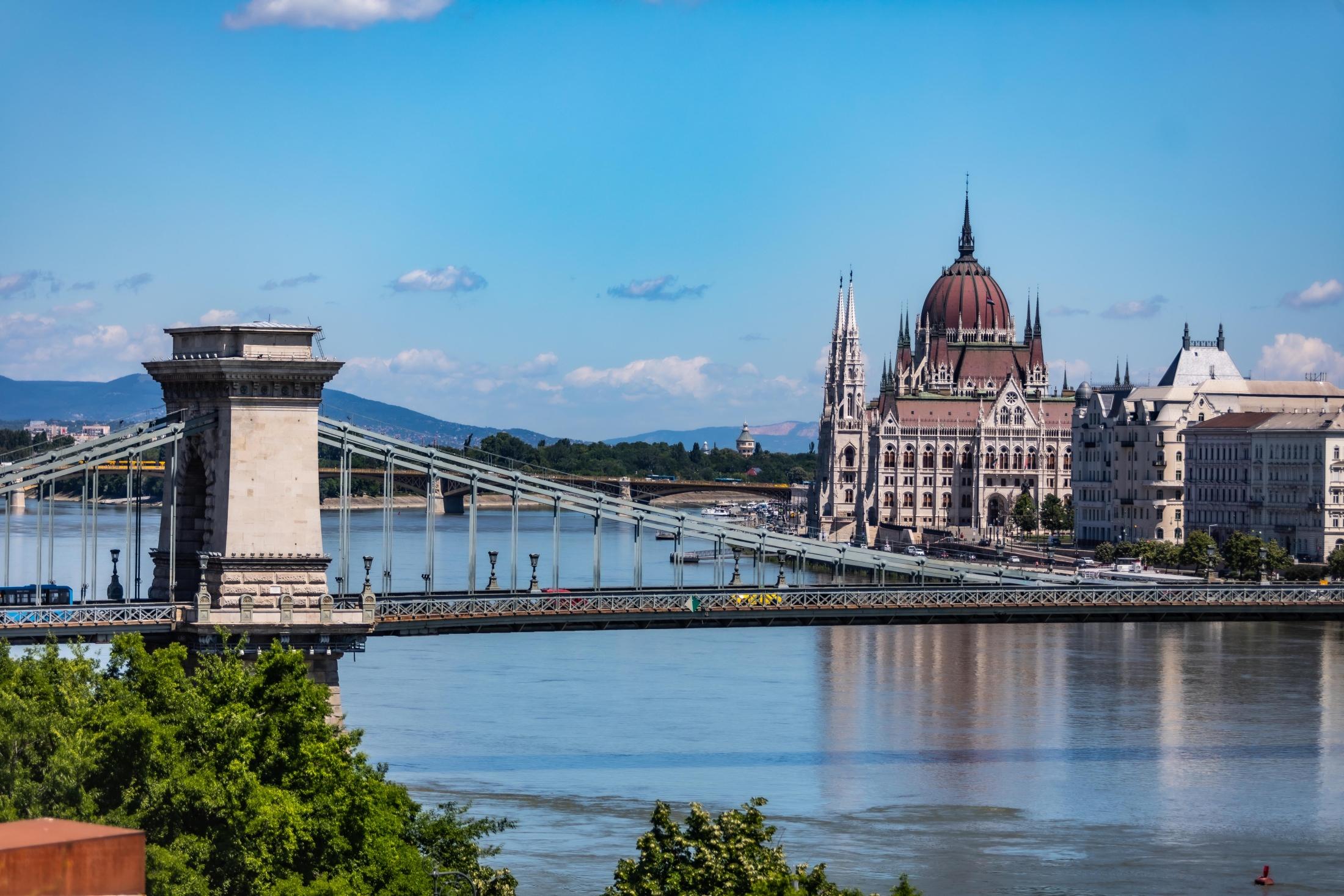
Hungary may be compact, but its regions each have a distinct character — shaped by history, geography, and culture. Here is a brief introduction to some of the most rewarding destinations.
Budapest
The capital is a city of two halves — hilly Buda on the west bank of the Danube, with its medieval castle district and forested hills, and flat Pest on the east, home to the grand boulevards, the Parliament building, and the city's vibrant cultural life. Budapest is a UNESCO World Heritage Site and consistently ranks among Europe's most beautiful cities. Its thermal bath culture, ruin bars, and world-class restaurants give it a personality unlike any other European capital.
Balaton
Lake Balaton — at 77 km long, the largest lake in Central Europe — is Hungary's summer playground. Vineyards, cycling paths, and resort towns line its shores. The northern shore tends toward wine and scenery; the southern shore toward beaches and families.
Eger
A beautifully preserved baroque city in the northern highlands, famous for its 16th-century castle, the heroic siege of 1552, the red wine Egri Bikavér, and the remarkable Valley of the Beautiful Women — a hillside lined with wine cellars open to visitors.
Pécs
One of Hungary's oldest cities, with a university dating to 1367, Pécs bears the layered marks of Roman, Ottoman, and Habsburg history. Its Early Christian Necropolis is a UNESCO World Heritage Site.
Szeged
A lively university city on the Tisza river, known for its Pick Salami, its paprika production, and its magnificent Art Nouveau architecture rebuilt after the 1879 flood.
The Great Plain (Puszta)
The Alföld — the vast flat plain that covers roughly half of Hungary — is a landscape of sweeping skies, ancient cattle drives, and the iconic grey Hungarian cattle. The Hortobágy National Park, part of this region, is a UNESCO World Heritage Site and Europe's largest continuous natural grassland.