Culture
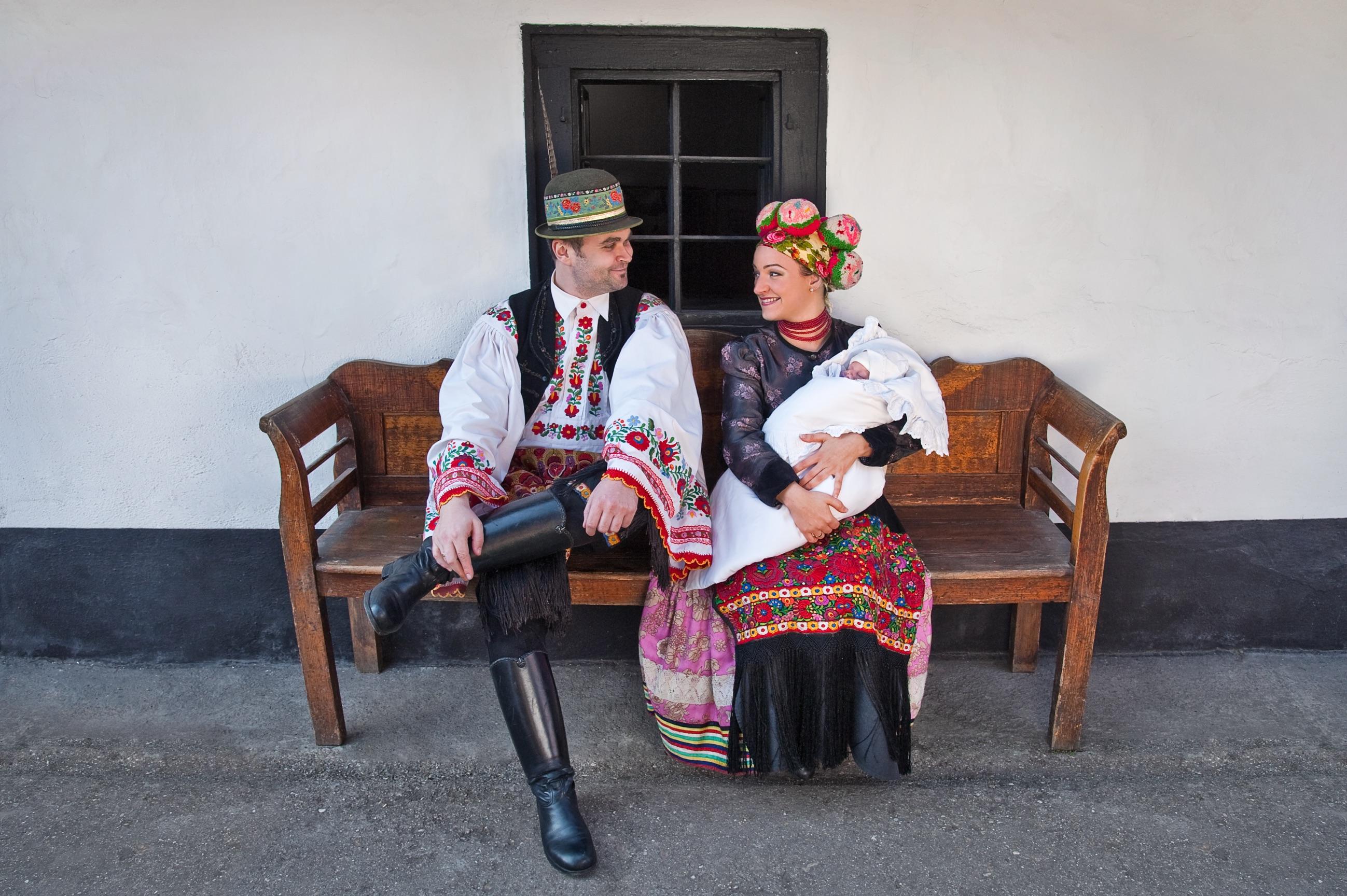
Hungarian culture is strikingly distinct — shaped by a unique language unrelated to any neighbouring tongue, a rich folk heritage, and centuries of influence from East and West alike. Despite its relatively small size, Hungary has produced an outsized cultural legacy recognized worldwide.
Language & Identity
Hungarian (Magyar) belongs to the Finno-Ugric language family, making it one of the few non-Indo-European languages in Europe. This linguistic uniqueness has helped preserve a strong and cohesive cultural identity through centuries of foreign rule and influence.
Folk Traditions
Traditional music, dance, embroidery, pottery, and woodcarving remain living traditions — not merely museum exhibits. Folk art varies significantly by region, and festivals celebrating these traditions take place across the country throughout the year. The folk music traditions of Hungary and neighbouring regions were meticulously documented by composers Béla Bartók and Zoltán Kodály, whose work brought this heritage to global attention.
Classical Music & Arts
Hungary has produced world-class composers (Franz Liszt, Bartók, Kodály), conductors, and performers. Budapest's State Opera House, built in 1884, remains one of Europe's finest concert venues. Contemporary Hungarian art, architecture, and cinema are equally dynamic.
UNESCO Recognition
Several Hungarian cultural traditions — including the Busójárás carnival and the folk art of the Matyó people — are inscribed on UNESCO's Intangible Cultural Heritage list.